SEP.17'26
A Visual Language of Home
“This is how my culture looks from my lens.” Emerging Jordanian artist Badia Kayyali on nostalgia and belonging, all patched together with mixed media.
Interview by Mona Kilani
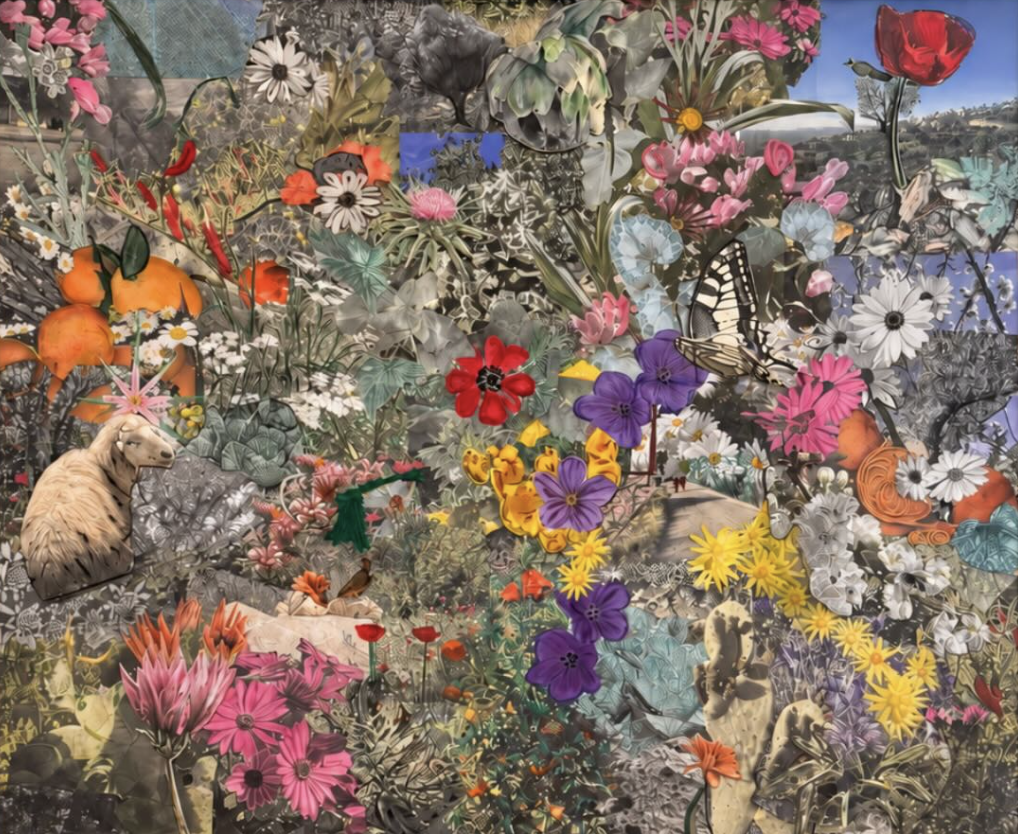
Badia Kayyali’s work begins with what stays in the eye: red poppies in spring, sheep holding up the road, old doors, Eid visits, and the unspoken generosity of a house left open to others. These are ordinary scenes for Badia growing up in Amman, but the artist does not treat them as background. They are material through which she asks what it means to remember a place, then remake it on her own terms.
MONA: Tell us about yourself and where your work begins.
BADIA: I’m based in Amman and Philadelphia. I was born and raised in Jordan, and my work is inspired by cultural symbols, landscapes, and community as a concept. I explore different mediums throughout my practice. I pull inspiration from different places, but I always find my way back to Jordan and Arab culture.
MONA: When did you begin to find your own visual language?
BADIA: I have always enjoyed using my hands and exploring different things. It slowly transformed into a visual language as I got older. In high school, art class gave me the chance to think about the themes that captivated me and how to turn my visions into reality. Whether it is papier-mâché, collage, or acrylic, the work can span very different mediums while still falling under the same umbrella through my process, colors, and recurring elements.
MONA: What does your process look like in the studio?
BADIA: My process is really messy. Sometimes there is a structure because I know what I want to create and what the base will be, but as I work I move through it very fluidly. I do not begin with a perfect grid and follow it exactly. The work changes as I make it.
MONA: Do you think art can actually be apolitical?
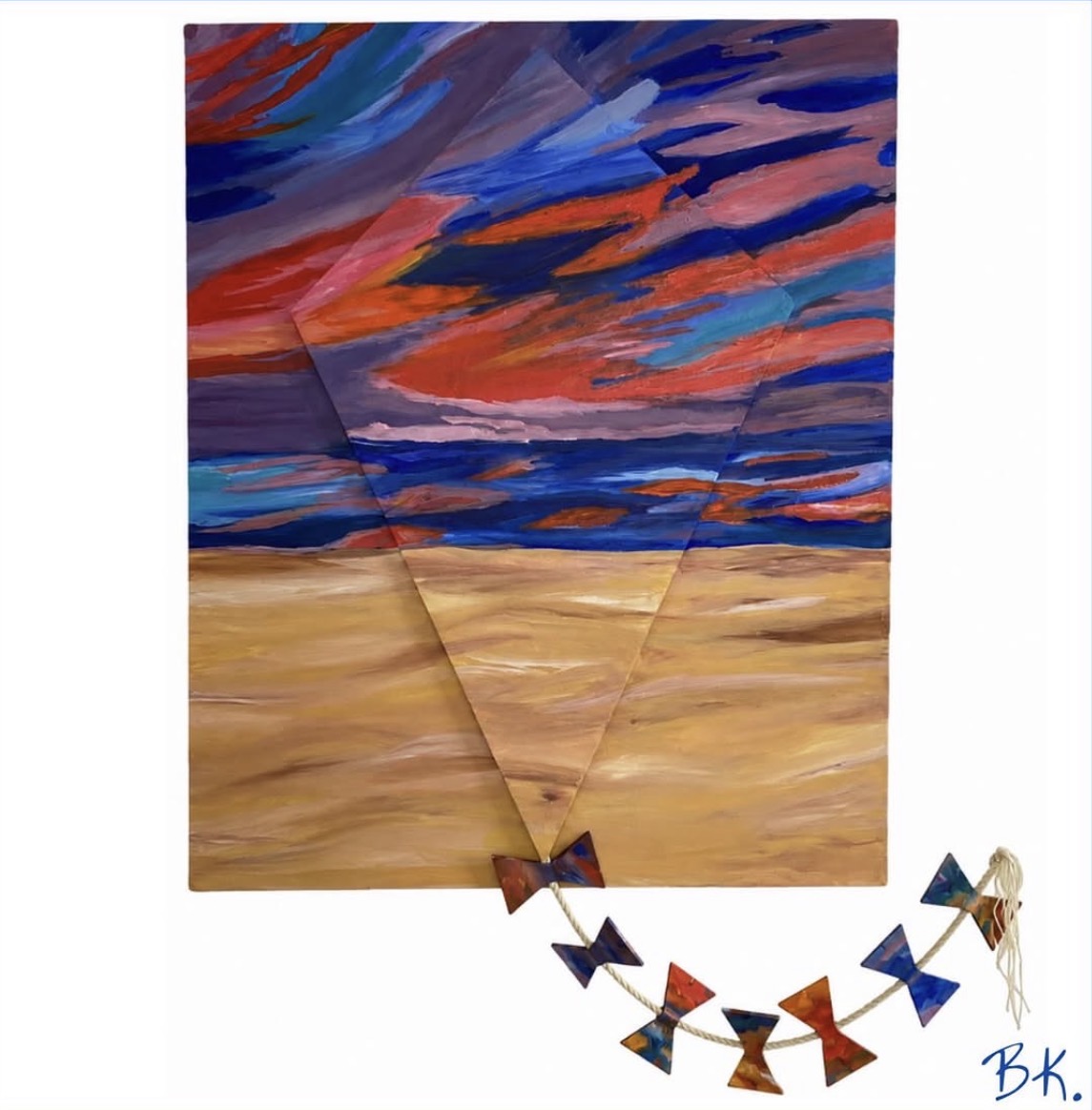
BADIA: Even when you are not intending to be political, telling your own story, being authentic as an artist, and paying tribute to where you are from can naturally become political. I have a piece called Free to Fly, a kite partly inspired by children in Gaza who broke a world record for flying kites. I do not always begin with an explicit political message, but I incorporate Palestinian and Jordanian cultural elements into my art.
MONA: What does it mean to tell these stories as a young Arab woman?
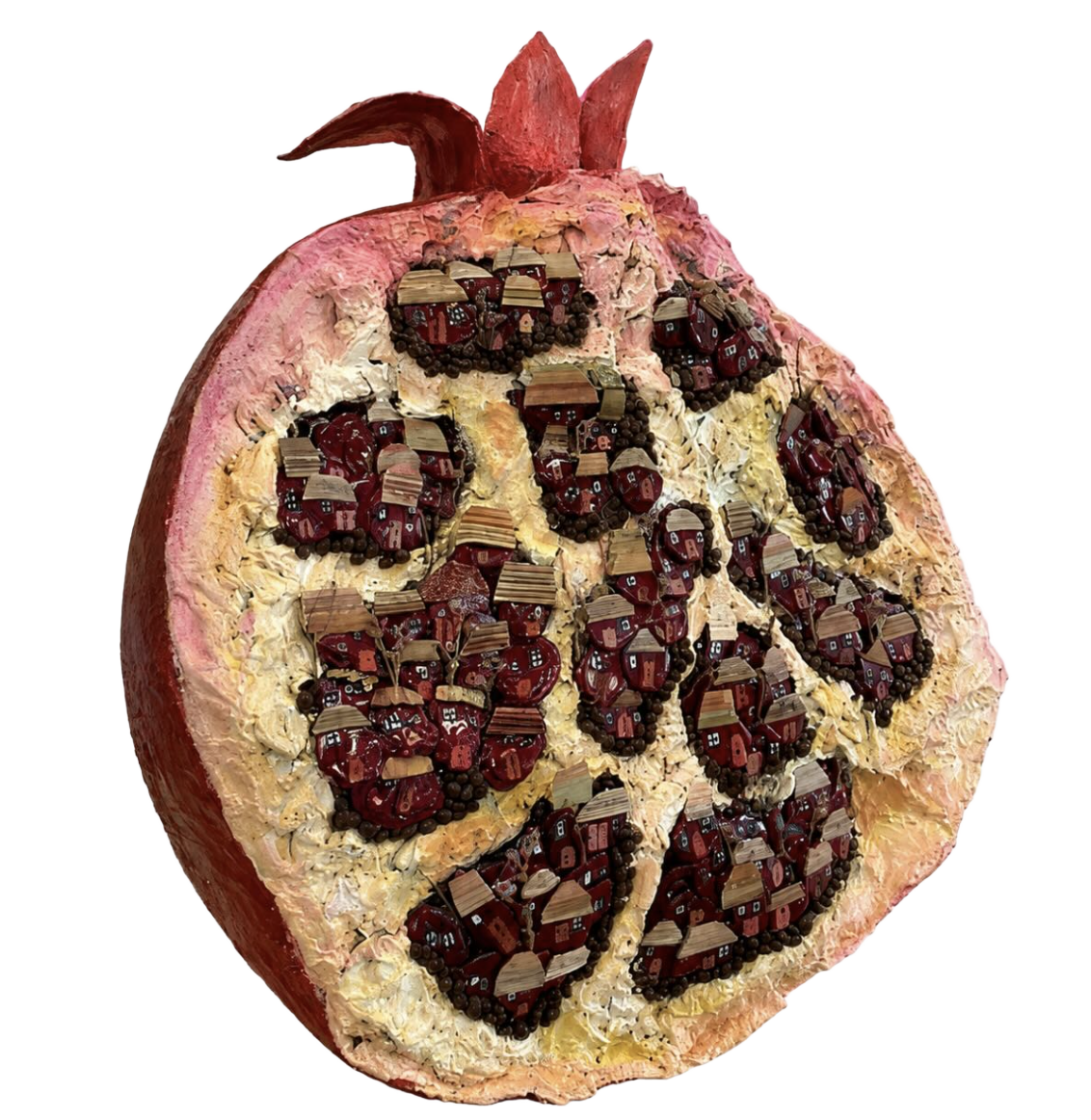
BADIA: By incorporating those elements, you are controlling the narrative a little more and telling your own story as a young Arab woman living in the region. Nowadays, the West wants to tell it for you. I like taking control and saying: this is how my culture looks from my lens.
“This is how my culture looks from my lens.”
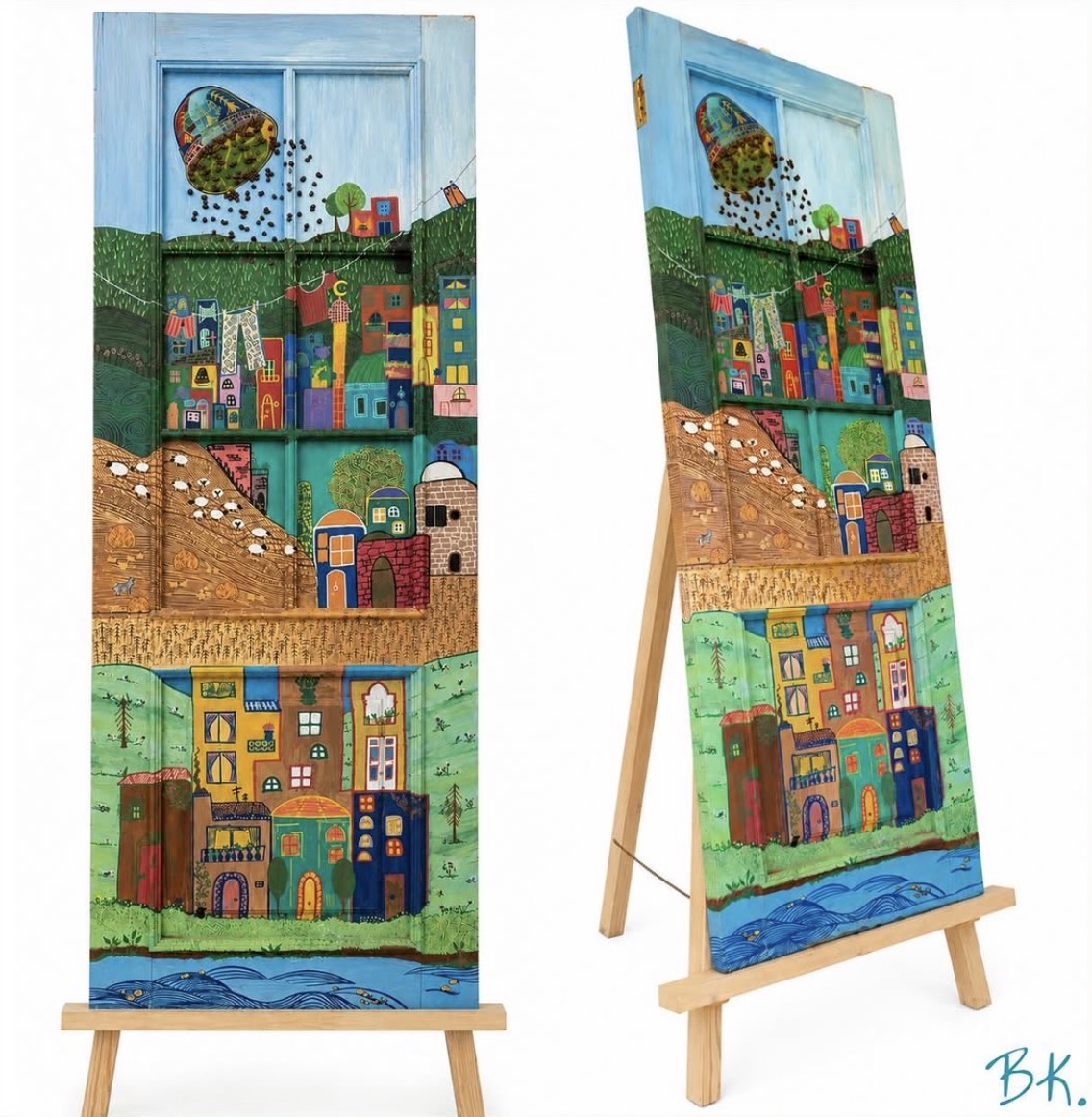
MONA: Did moving abroad reshape the way you see One Door, Many Keys?
BADIA: I made One Door, Many Keys in 2024, before college, but it feels especially relevant when I come back now. It makes me think of old doors, traditions like Eid and visiting people, and the concept of Jordanian hospitality, openness, and inviting people in. I think it is unmatched.
Find her on Instagram @badiaincolor
This is the conversation baqaya exists to advance.